 YouTube
 Facebook
 X
X LinkedIn
 Pinterest
 Instagram

 Glenn Young
The compact size of this gear and low heat generation are also great selling points, but the foremost attraction of this Fosi gear is its outstanding specifications. If these components are not just good values for the money but also giant slayers, then they must be considered seriously by audiophiles!
After thoroughly evaluating both the Fosi ZP3 preamplifier and the Fosi V3 mono power amplifiers, my opinion is that these components represent both top-tier audio sound and spectacular value for the money. Fosi seems to have taken advantage of a new balanced preamplifier and amplifier design, along with the latest integrated-circuit chips and Class-D efficiency to produce both high power and refined fidelity to the source material.
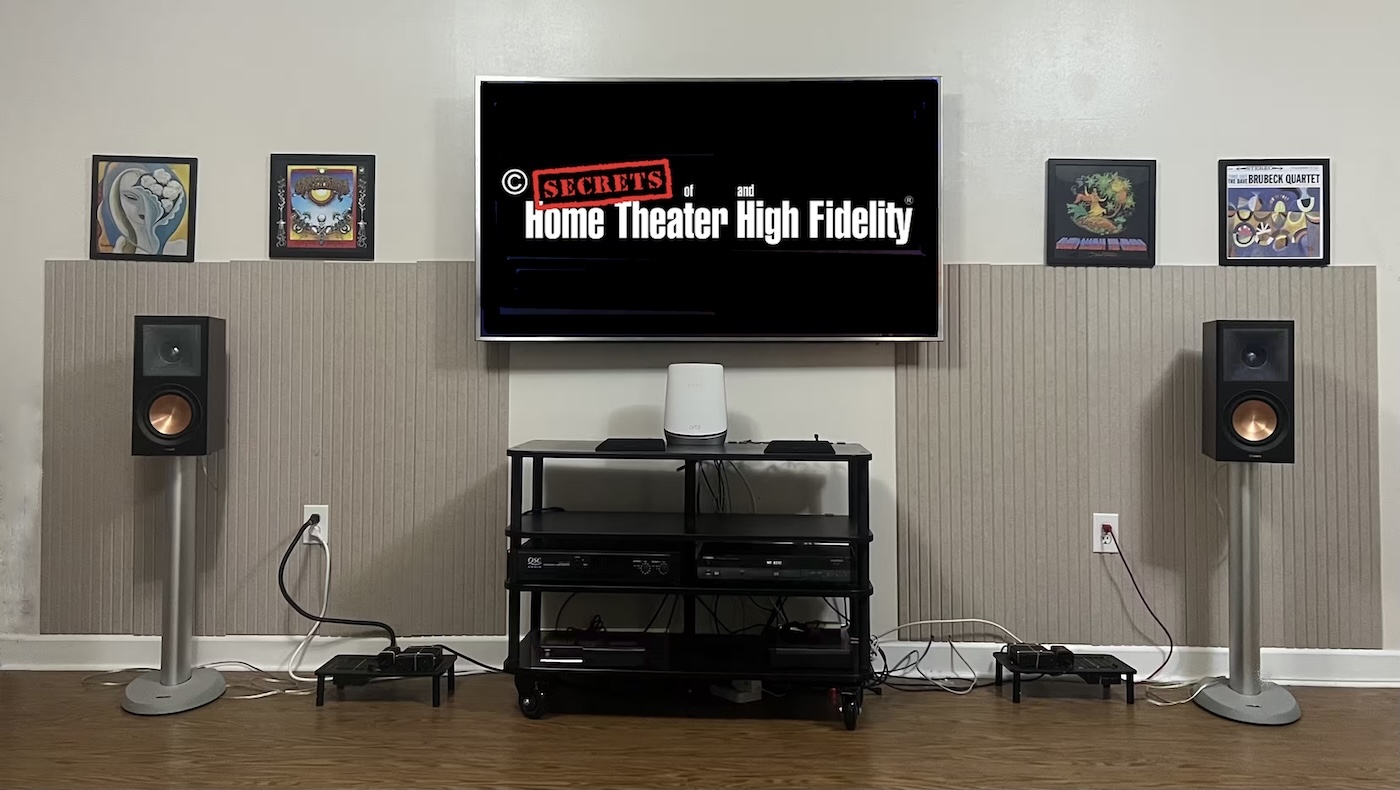
Fosi ZP3 Preamplifier and Fosi V3 Mono Power Amplifier
- Balanced circuitry for external noise cancellation
- Low noise internal circuitry to enhance separation and low THD
- High parts quality
- Compact size
- Very low pricing
- Class D design for low heat generation
Having been an audio enthusiast since the late 1960s and having owned or reviewed just about every audio component on the market, I was highly skeptical of the Fosi V3 mono power amplifiers and the ZP3 preamplifier. The Fosi V3 mono power amps and ZP3 preamp were made in China, cost too little to be taken seriously, and were tiny in comparison to most other audio components on the market. But since they were so inexpensive, I decided to buy the V3 monoblock power amplifiers. If they were as cheap as expected, I could dispose of them on Craigslist for very little net loss.
But when I listened to the V3 mono power amps, I was surprised by the sound quality. So much so that I purchased the companion ZP3 preamplifier. The set together was just as impressive as the amps alone had been!
REVIEW PART ONE – FOSI V3 MONO POWER AMPLIFIERS


Design:
Single-channel Class-D Power Amplifier
Dimensions:
5.59” deep x 4.14” wide x 1.38” tall
Amplifier Chip:
Texas Instruments TPA3255
Inputs:
RCA, XLR, ¼” TRS
Outputs:
Speaker Output (supports banana plug or bare wire connection)
SINAD:
XLR: 101dB, RCA: 93dB
SNR:
≥123dB
Dynamic Range:
≥123dB
THD:
<0.006%
Gain:
XLR/¼” TRS: 20dB
RCA: 19dB or 25dB (switch selectable)
Load Impedance:
2-8Ω
Rated Power Output:
With 48V/5A power supply –240W@4Ω
With 32V/5A power supply – 100W@4Ω
Frequency Response:
10Hz-30kHz(±0.06dB)
Input Voltage Range:
DC 32-48V
Standard PSU:
48V/5A
Warranty:
24 Months
Website:
Company:
SECRETS Tags:
Fosi, Mono, Power Amplifier, Balanced, Class-D, 2-Ohm Stable, Chinese
MSRP – Fosi offers the V3 mono amplifiers in the following configurations:
● with one 48V, 10A power supply that powers two amps ($209.99)
● with two 48V, 10A power supplies, each powering a single amp ($279.99)
● V3 “Max” package (2 amps, 1 48V, 10A power supply & 1 DC Filter) – $279.00
- Cambridge Audio M-Monoblock power amplifier
- Parasound JC 1+ Monoblock power amplifier
- Emotiva XPA-1 Monoblock power amplifier
Secrets Sponsor
The Fosi V3 mono power amplifiers can be set up in a “short interconnect + long speaker-wire” configuration or else in a “long interconnect + short speaker-wire configuration. One configuration or the other may be in your best interest, depending on whether your wiring picks up hum. My Fosi V3 monoblock power amp setup was dead quiet either way, so I left the long, balanced interconnects in place.
The Fosi V3s are easy to set up, provided you pay attention to the amplifiers’ configuration. You’ll need to decide:
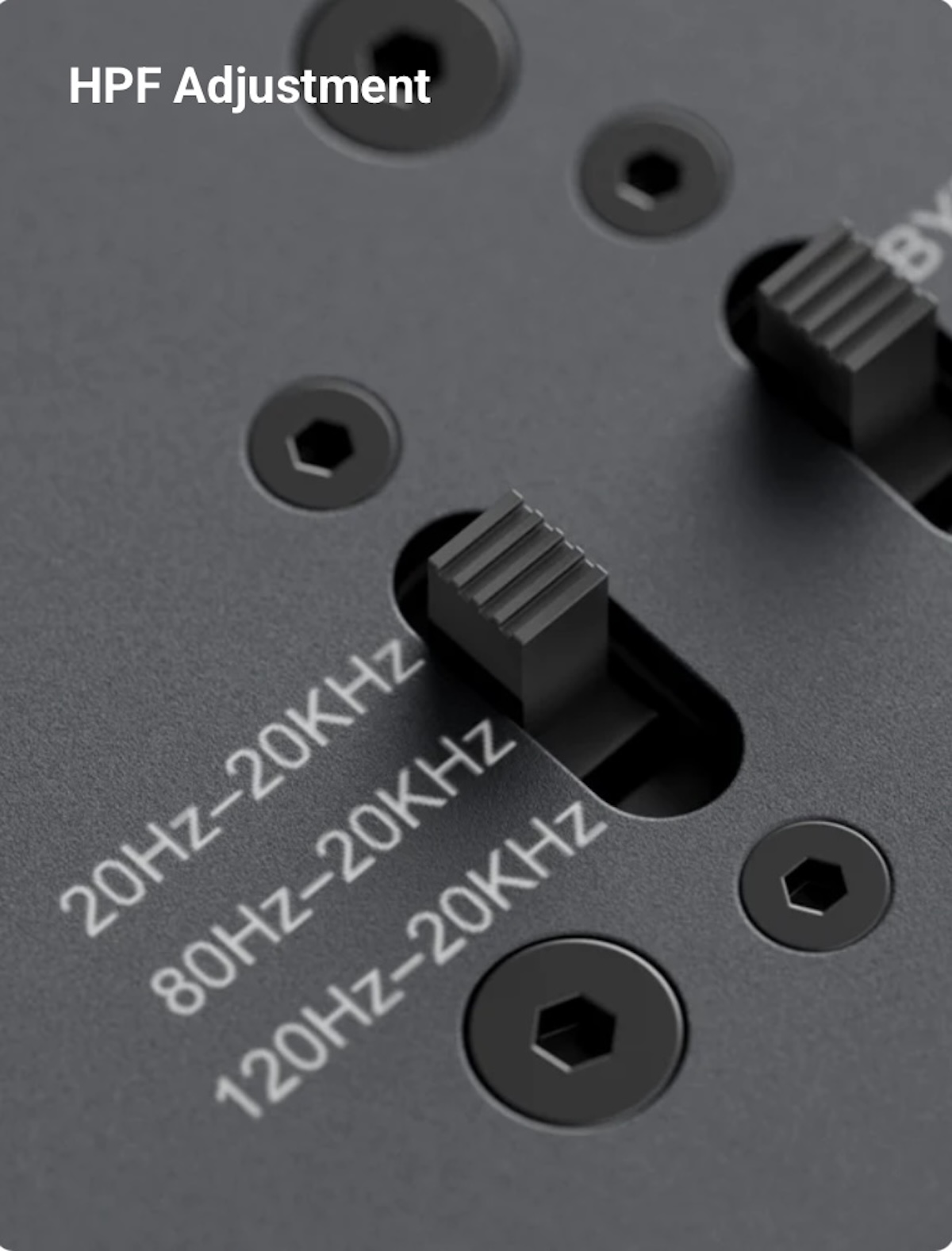
● Do you want to roll off the audio signal in the bass so that you can blend in your subwoofer from its plate amplifier (switch selection)
● Do you want to enable the tone controls and balance control (switch selection)
● Do you want to use a 1/8” trigger to create amplifier wake-up/shut-off (switch selection)
● Do you want more (25dB) or less (9dB) gain (switch selection – affects RCA inputs only)
For normal home listening, the 5A power supply (common to two amps) is sufficient. If you have low-sensitivity speakers or play your system very loudly, the 10A power supply (common to two amps) is a better choice. If you want to play multiple 4-ohm speakers with the same amplifiers, the two power
supplies are probably a better choice.
Because the posted specifications are so good, many (most?) YouTube and other written reviews have focused on testing the veracity of the Fosi specs. These reviews often start with placing the amps on a test bench, cooking them thoroughly for hours, and then testing them at full output power to see if the amps deliver all the power that they claim to have.

Although this type of “testing” may stress the amplifiers under worst-case conditions, these tests tell NOTHING about how the equipment actually sounds. Instead, such testing has resulted in numerous equipment failures, giving the impression that not only do the amps not meet their specifications, but also that consumers should not buy Fosi electronics.
I strenuously object to these conclusions and point to the faults (mostly) of the test methods.
Test methodology fault number one: Unless you’re trying to power a football stadium (in which case you wouldn’t be considering Fosi products to start with), the average consumer will never, ever require full power from the V3 mono amplifiers. Most home listening is done at less than 10 watts of amplifier output, and in almost all cases, less than ONE watt.
That said, should the products meet their specifications? Absolutely! But full-power output for extended time periods is an unrealistic expectation for consumer products, which the Fosi V3 amplifiers absolutely are. So, throw away any “review” that emphasizes clickbait titles such as “we burned out one amplifier!!!”
Of greater interest should be the question of “are the V3 amplifiers reliable at lower power outputs?” In my hundreds of listening hours (although with a single pair of samples), the answer is “absolutely.”
Test methodology fault number two: Fosi claims their V3 mono amplifiers are stable into ANY eight-, six-, four-, or two-ohm load. I have YET to see a single “review” that tested the V3 mono amplifiers into lower impedance loads.
Since two-ohm speakers are now becoming more common (the Tekton Design 2-ohm Pendragons come immediately to mind), consumer reviews should at least test the V3 mono amplifiers at lower impedance loads. To do so in this review, I paralleled a pair of 4-ohm Klipsch RP-600m speakers and a pair of Axiom Audio M5HP speakers whose impedance dips to 5-ohms between 100-500Hz. The combination should provide a minimum 2.22-ohm load to the amplifiers. WARNING – Do NOT try this with your AV Receiver – you’ll either blow a fuse or burn up your AVR!
I tested the Fosi V3 mono amps into a 4-ohm load (Klipsch RP-600m speakers) for an hour. At the end of the hour, each amp measured 93°F. I then paralleled two speakers per channel for a 2.2-ohm load on each amplifier. At the end of the next hour, each amp measured 96°F. So, these amps ARE stable at 2-ohm loads, even when played loudly in home environments.
Test methodology fault number three: Most reviews fail to compare the sound of the Fosi V3 amplifiers against the sound of other amplifiers. Over the years, I’ve had the opportunity to own and/or review a wide variety of power amplifiers from manufacturers including Accuphase, Adcom, Anthem, Arcam, Audio Research, Bryston, Cambridge, Crown, Dynaco, Emotiva, Hegel, Krell, Luxman, Marantz, McIntosh, Mark Levinson, NAD, Nakamichi, Onkyo, Parasound, Pass Labs, Rotel, Starke Sound, Threshold, Van Alstine, Yamaha, and more.
Of the amplifiers I’ve known, my favorites have been the Adcom GFA-1, the Crown PSA-2 (with modifications), the Emotiva Generation Two XPA-1, the Emotiva PA-1 (class-D), the McIntosh MC-350, the Starke Sound AD4.320, and the Threshold Stasis T-200. Note that ALL of my favorites are relatively high-powered, solid-state units. The only class-D in the list is the Emotiva PA-1 monoblock based on the Bang & Olufsen ICEpower ASC300 chipset.
What characteristics put power amplifiers on my favorites list? Transparency, soundstage, bass control, and a smooth, extended frequency response. Fail in ANY of those areas, and the amp is not for me!
So, how does the Fosi V3 mono compare to my favorites? Quite well, thank you very much! While testing the Fosi V3 monoblocks, I used an AudioQuest Dragonfly Red DAC directly into the amplifiers and a HRT Music Streamer HD balanced DAC (played through the Fosi ZP3 preamplifier). My front end is a Roon Nucleus One using an SSD-based music library and TIDAL as sources. Speakers include Klipsch RP-600m bookshelf speakers with a sealed M&K 12” subwoofer and the three-way Axiom Audio M5HP speakers, also with the M&K sub.

My listening room is 25 x 16 x 9 feet with the speakers on the long wall. The room is treated with absorbers on the facing sides of the long wall. All corners are open to other spaces (foyer, kitchen, stairwell, and hallway), making bass traps unnecessary.
My Fosi V3 mono amplifiers each use a 48V, 10A power supply and a Fosi DC power filter. The independent power supplies and DC power filters are absolute overkill for any 4-, 6-, or 8-ohm speaker, but may be prudent for use with 2-ohm loads.

Pink Floyd – Grantchester Meadows track – (“Ummagumma” album – 1969 / 2011 remaster) – Klipsch Speakers
This song provides a deep and wide soundstage opening in an outdoor venue. Insects, birds, and water sounds move side to side and, in some cases, above the listener. At the end of a track, a fly buzzes inside a room and is pursued (eventually swatted) by a person. The acoustic guitar is natural and present in the room with the gentle male singing voice. The amps really shine on this music, creating excellent imaging while maintaining a very natural tone. In fact, the Fosi V3 mono amplifiers create such a good rendition of this song that I rate them as the best I’ve ever heard. I had a very experienced audio amigo over to listen, and he agreed that these are spectacular amplifiers.

Jethro Tull – Skating Away (On the Thin Ice of a New Day) track – (“War Child” album – 1974 / 2002 remaster) – Klipsch Speakers
This is another song that offers a very natural recording of an acoustic guitar. The sound of the guitar is not only acoustically convincing, but the guitar and singer seem to be in the room with you. The clean bass and the lack of treble artifacts put the Fosi V3 mono amps in the top tier of amplifiers that I’ve heard, regardless of price.
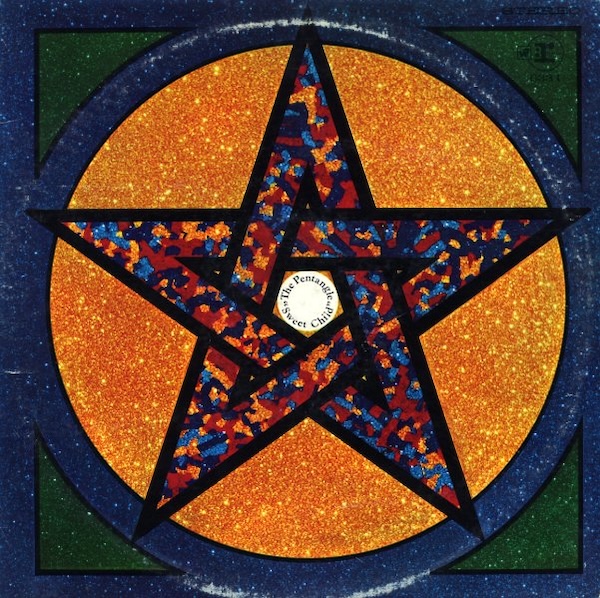
The Pentangle – Market Song track – (“Sweet Child” album – 1968 / 2001 remaster) – dual speakers
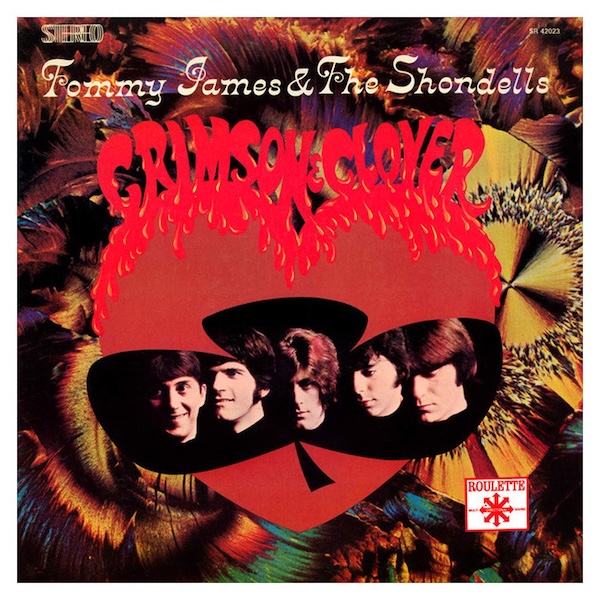
Tommy James & the Shondells – Crimson and Clover track – (“Crimson and Clover” album – 1968 / 2018 remaster) – dual speakers
For these two songs, I arranged the Klipsch RP-600m speakers facing forward toward the listening couch and the Axiom M5HP speakers facing backward, creating a bipolar speaker effect. Both songs (and several others) were played at significantly higher than usual volumes (about 95-100dB). At the end of the session, the Fosi V3 mono amplifiers measured 96 degrees F. Curiously enough, the Fosi V3 amplifiers did NOT change their voicing despite driving the 2.2-ohm combined load of two speakers being driven from each amp.

Louie Austen – One Night in Rio – (“Only Tonight” album – 2001)
This well-recorded song was played on the Axiom Audio M5HP speakers and the M&K subwoofer. The transients in this song display the quickness of the Fosi V3 amps.
REVIEW PART 2 – THE FOSI ZP3 PREAMPLIFIER
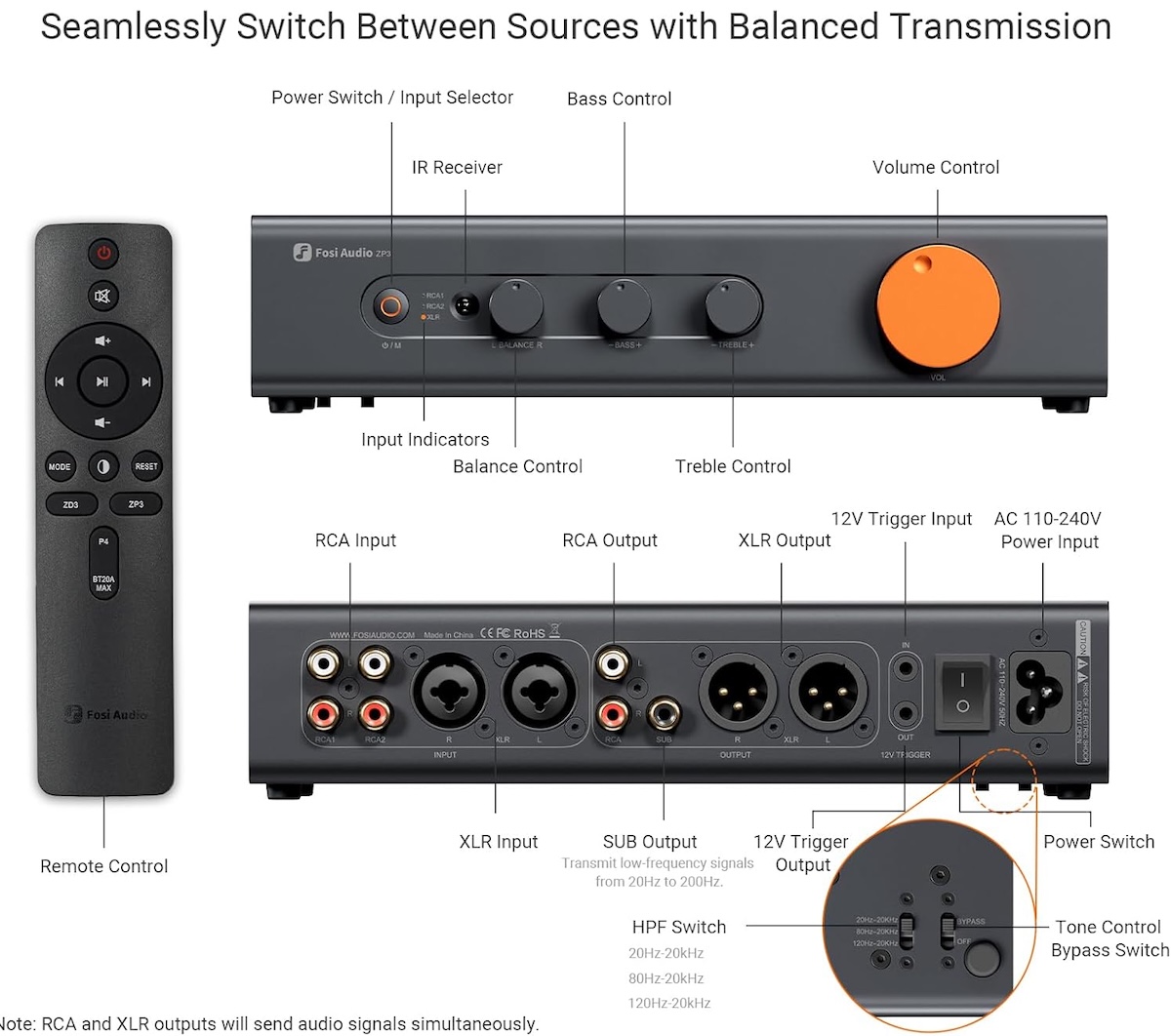
Design:
Stereo Preamplifier
Dimensions:
9.941” wide x 6.46” deep x 2.13” tall
Channels:
2/0 or 2.1
Inputs:
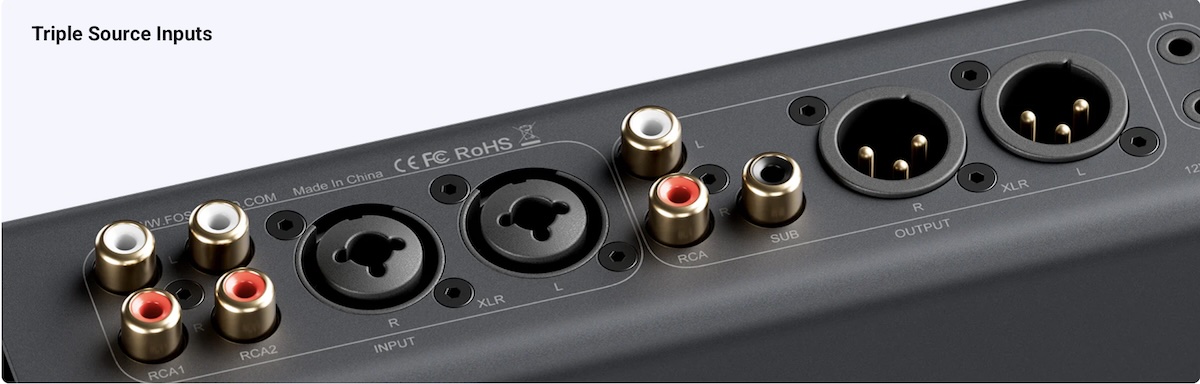
2 pairs (RCA) & 1 pair (XLR)
Outputs:
1 pair (RCA) + 1 pair (XLR) + 1 subwoofer (RCA)
Bass / Treble control range:
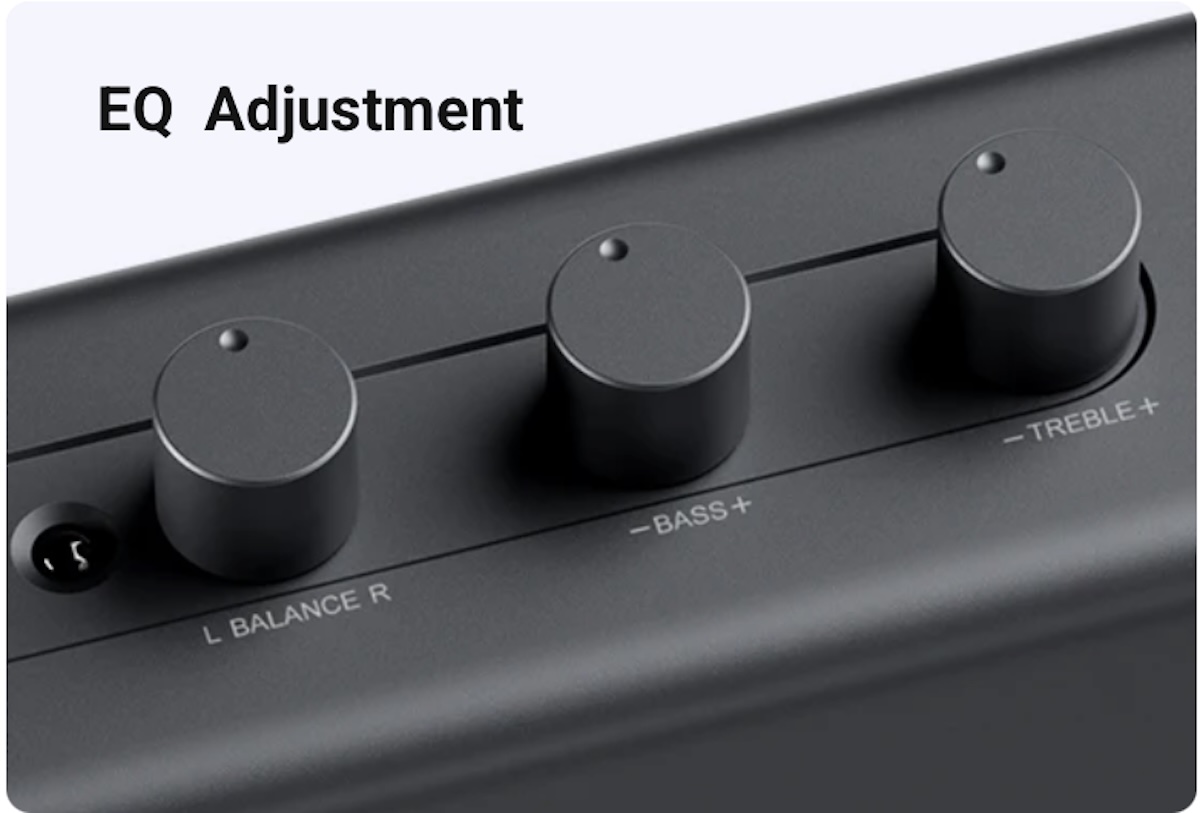
+/- 6dB (treble) and +/- 12dB (bass)
Frequency Response:
20-20kHz. (+/- 2dB) for RCA & XLR outputs
20/80/120-200Hz (+/- 2dB) for subwoofer output
Input voltage:
110-240V
Signal-to-Noise ratio:
≥ 112dB (XLR) + ≥ 115dB (RCA)
Dynamic Range:
≥ 112dB (XLR) + ≥ 115dB (RCA)
THD + Noise:
≤ 0.0007% (XLR) + ≤ 0.0008% (RCA)
Noise Floor:
≤ 6μV (XLR) + ≤ 4μV (RCA)
Included:
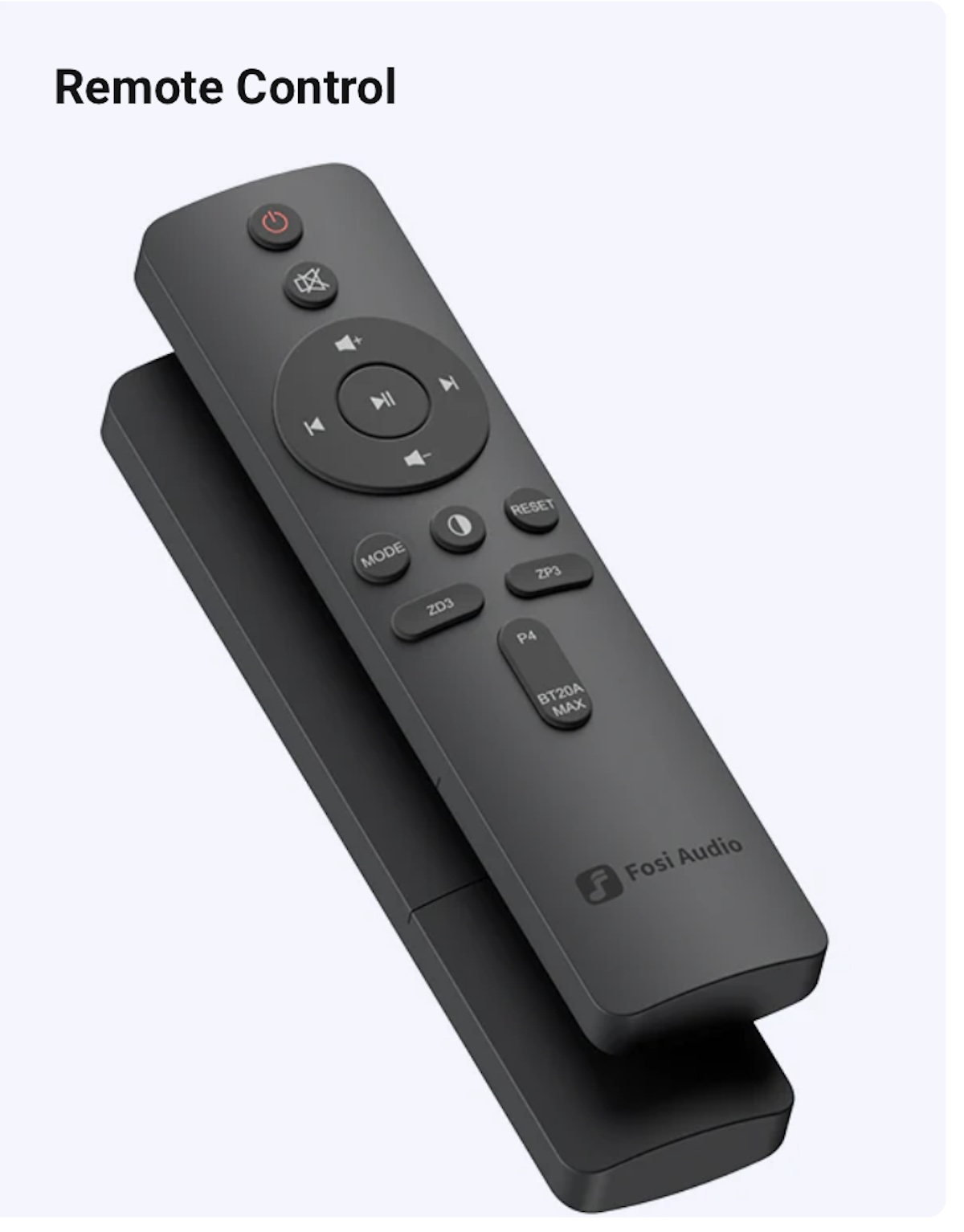
ZP3 preamplifier, IR Remote Control, AC Power cord, 12V Trigger cord, & User manual
Warranty:
30 Days (money-back) + 24 months (failures)
Pricing:
$199.00
Website:
Company:
SECRETS Tags:
Fosi, ZP3 preamplifier/compact/stereo
Secrets Sponsor
Not only does the Fosi ZP3 preamplifier have excellent specifications, but it also delivers sonically, where it counts. I’ve tried running my various DACs directly into my power amps, and then running them through the ZP3 pre, and try as I may, I can’t hear much of a difference! All the dynamics, all the balanced frequency response, and all the details are intact, for the most part. For me, the Fosi ZP3 is one of the very, very few preamplifiers I’ve ever owned (or heard) that contributes nothing extra or takes much away from the source signal.
- McIntosh C49 preamplifier (October, 2019)
- Audio GD HE-1 preamplifier (January, 2020)
- Fosi P1 tube preamp (May, 2023)
The best preamplifier I’ve heard previously was the Audio GD HE-1. And although that preamp sounded remarkable, it was NOT true to the source signal. The second-best preamplifier I’ve ever owned was the Van-Alstine-modified Dynaco PAS. It also sounded remarkable, although it added “tube sound” to the source signal. The third-best preamplifier I’ve owned was the McIntosh C-41. And although it was closer to the source signal, it still wasn’t as transparent as the Fosi ZP3.
The ONLY way I’ve beaten the sound of the Fosi ZP3 is by running my DACs directly into the power amp inputs. And even then, the difference is small. What’s the difference? I’d give a slight (but VERY slight) nod in transparency and imaging to the DAC-direct over the sound of the Fosi ZP3. But that said, I don’t know if I could consistently tell in a blind test whether the Fosi was in the signal chain or not!
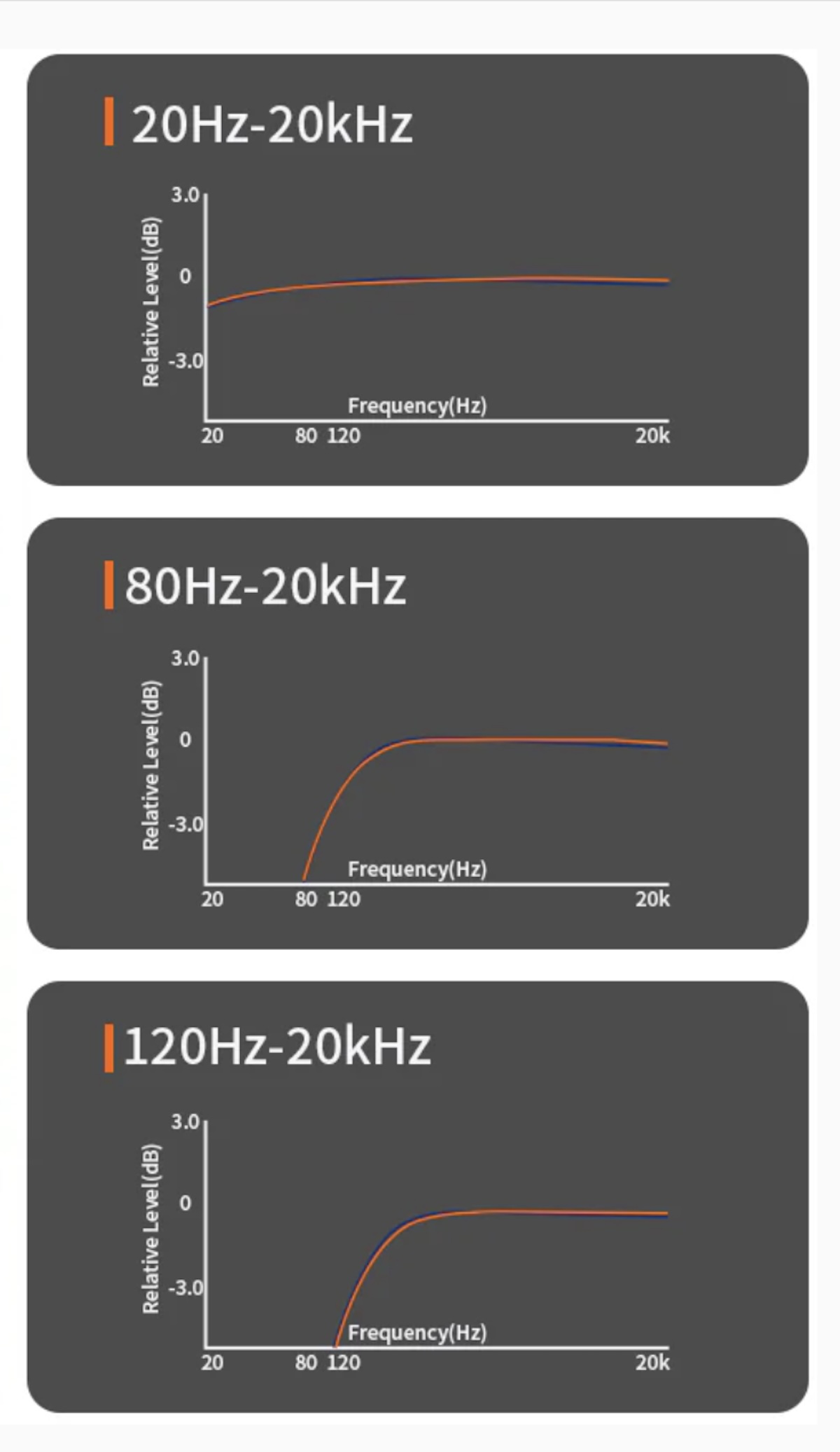
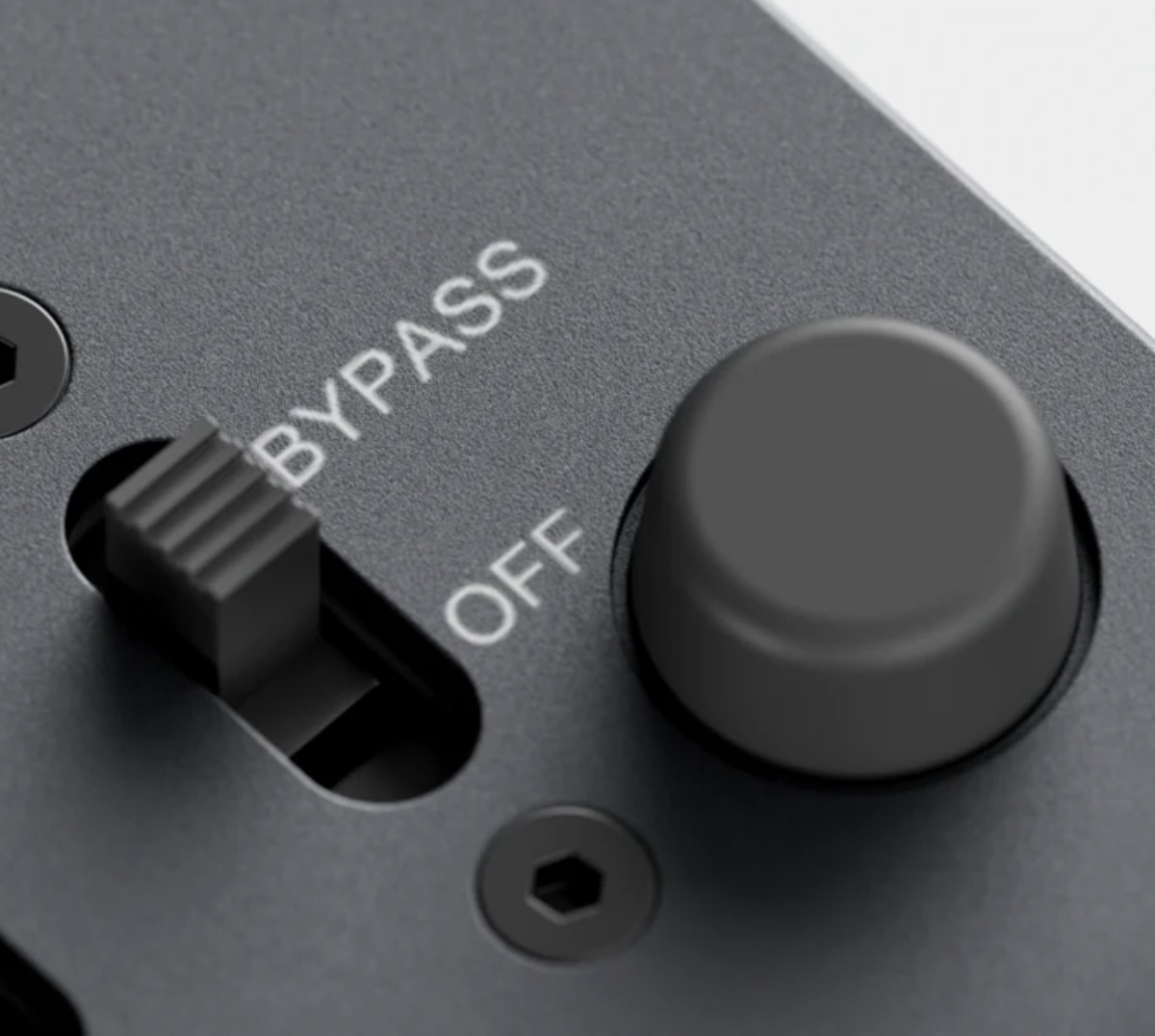
Although the balance and tone controls of the ZP3 can be bypassed with a switch, I normally leave my balance and tone controls enabled. I usually run a full-range signal out to my subwoofer. This allows me to use the subwoofer’s plate amplifier to “blend in” the sub below whatever speakers I’m running at the time.
Although I could use the 12VDC trigger circuitry of the ZP3 to turn on my power amps, I find that the “wake on signal” feature of the Fosi V3 power amps is quick enough that it isn’t worth running the extra trigger wire.
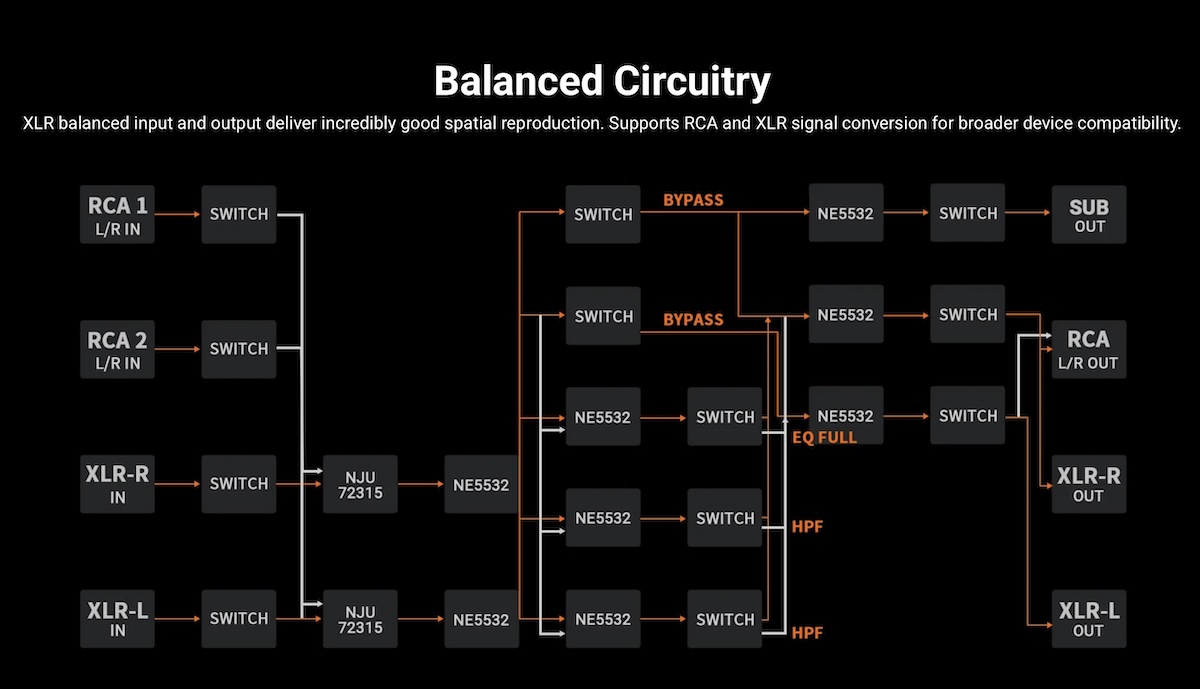
Most of the time, I run XLR interconnects between my DAC and the ZP3 pre and between the preamp outputs and the Fosi V3 mono inputs. The two RCA inputs on my ZP3 preamp are fed by my Yamaha Blu-Ray player and my Mac Mini internet-video server.
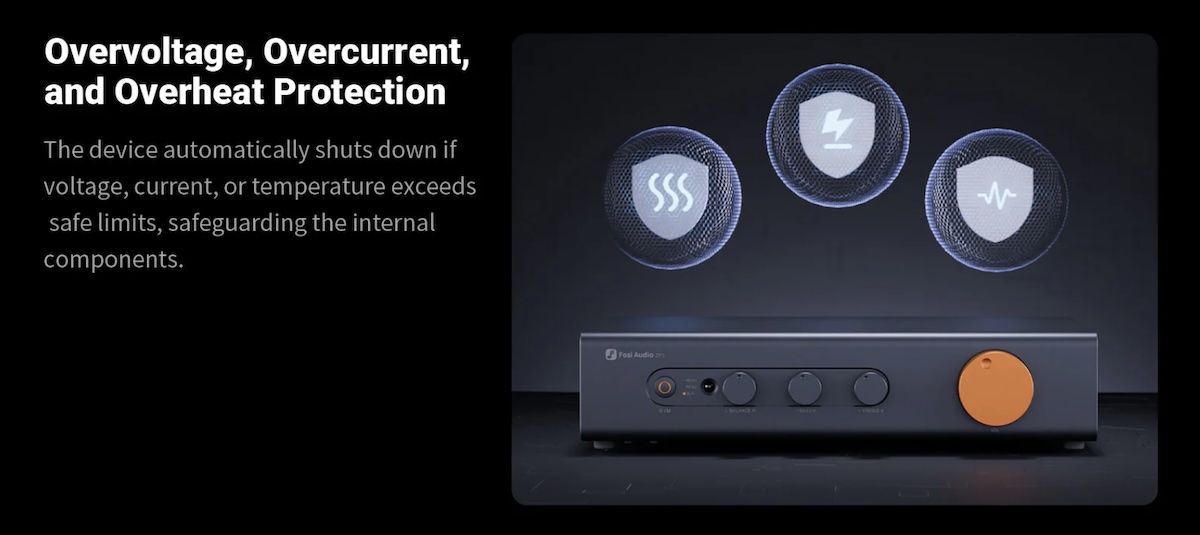
So far, the ZP3 preamplifier has proven itself impervious to ground loop hum from my Cox cable provider. Hum has previously been an issue with other preamps, and the quiet background contributes greatly to my listening enjoyment.
The listening selections in the previous section also apply to the Fosi ZP3 preamplifier unless otherwise noted, in addition to the selections below:

Soy Yo by Bomba Estéreo – (“Amanacer” Album, 2015)
This track offers serious bass, both in and out of phase. The drums should appear beyond the width of the speakers and be balanced between channels. If they aren’t, your room has problems! The preamplifier and amplifiers perfectly give what’s on the recording.
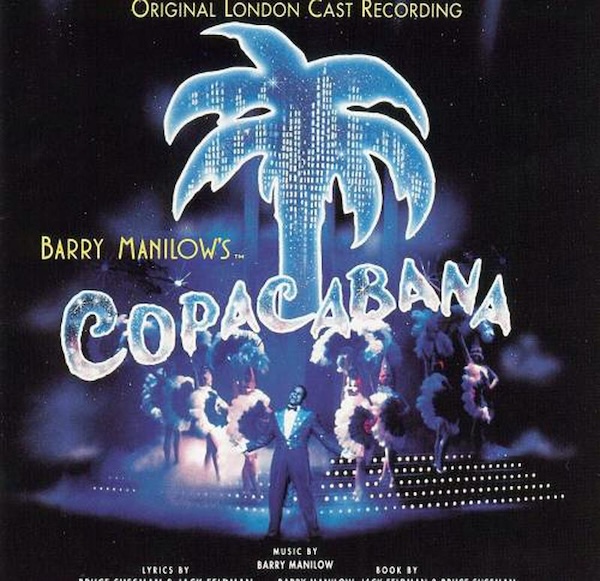
Lola (extended version) by Barry Manilow – (Greatest Hits Vol. 2 album – 1983 – Remastered 2006)
Use this track to verify the clarity of percussion. Any bloat, boom, or frequency spikes mean that your speakers or your room have problems. Again, the Fosi preamplifier and amplifiers get this right.
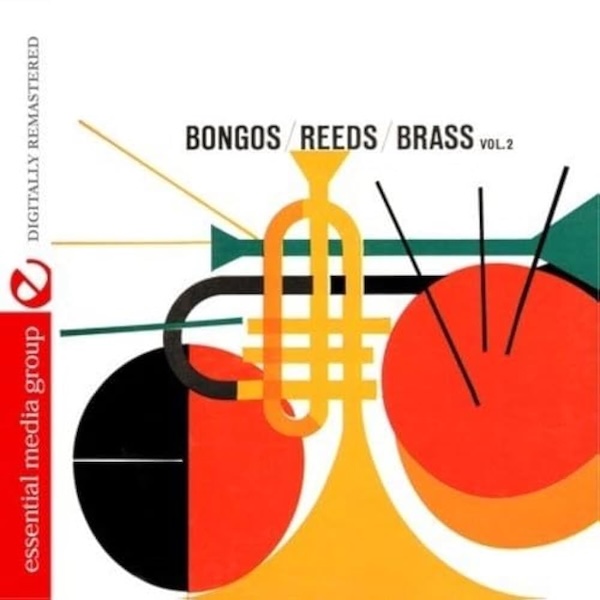
Orchids in the Moonlight by the Harry Zimmerman Orchestra (“Bongos, Reeds, Brass, Vol. 2” album – 1986 – Remastered 2006)
This song offers a wide range of frequencies from animal sounds down to an almost “grunting” bass line. The preamplifier and Fosi amps reproduce this as cleanly as I’ve ever heard it, both with single and double speakers per side.
Not only is the Fosi ZP3 preamplifier a stunning value for the money, but its sonic performance is up there with the best available at any cost. That bold statement is intended to stir controversy. If I hadn’t heard the Fosi ZP3 myself, I’d be grossly dismissive. But the factory-stock Fosi ZP3 stereo preamplifier has not only stunned me but has also dropped the jaw of every audio amigo I’ve had by to hear it. Its specifications have been verified by independent online testing, and it deserves an audition.
In case you’re wondering how a “double speakers per side” rig sounds compared to a single speaker per side, it depends entirely on how you arrange your speakers. I tried my forward-facing speakers perpendicular to the wall behind them with the reverse-facing speakers in a variety of positions. With the rear-facing speakers toed in toward the center, the image was much wider than using a single speaker (a HUGE image was produced with wall-to-wall width), but without too much depth. With the rear-facing speakers toed out away from the center or even perpendicular to the rear wall, the center became “deeper” and was enhanced. Your room may behave differently…
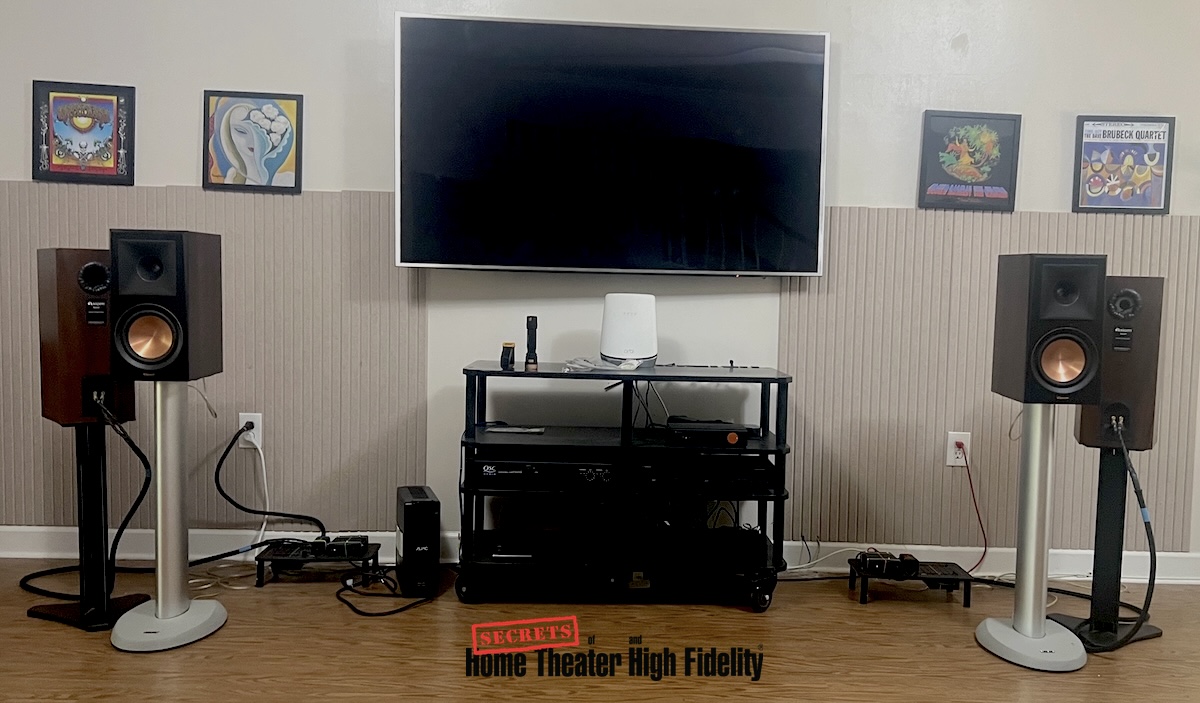
The Fosi ZP3 preamplifier and V3 mono amps are THE best values of 2025. They sound as good as gear that costs far more!
- Sound quality
- Price
- Durability
- (ZP3) More bass management frequencies with the low and high-pass filters.
- (ZP3) A visual indication on either the display or the remote as to where the volume is set.
- (ZP3) Smaller volume increments on the remote.
- (ZP3) Balance, bass, and treble controls on the remote.
- (ZP3) Power supply built into the amplifiers with an IEC plug on each amp.
- (V3) Better explanation in the owner’s manual of input sensitivity selections.
In all my years of reviewing, I’ve found no equipment that offers better value for the money than the Fosi VP3 preamplifier and the Fosi Z3 mono power amplifiers. That said, thinking that these are just “good values for the money” is to sell them seriously short. This Fosi equipment rivals the best and most expensive gear on the market for sound quality. I’m sure that this statement will bring scorn from those who still believe that price and performance are directly correlated. Bring on the unconvinced – and then have them look at the specifications of the Fosi gear; have them listen to the Fosi ZP3 preamplifier and V3 mono amps on the speakers of their choice. I believe the sound quality of the Fosi equipment will speak for itself. It’s a GREAT time to be an audiophile!